Tires, Pressure, and Traction That Whisper
Run supple, wider tires with moderate pressure to glide over broken pavement and root-laced shoulders, preserving trail surfaces while smoothing your ride. Add subtle tread for damp mornings, and carry a small gauge to adapt quickly as surfaces and weather shift.
Lights, Bell, and Reflective Calm
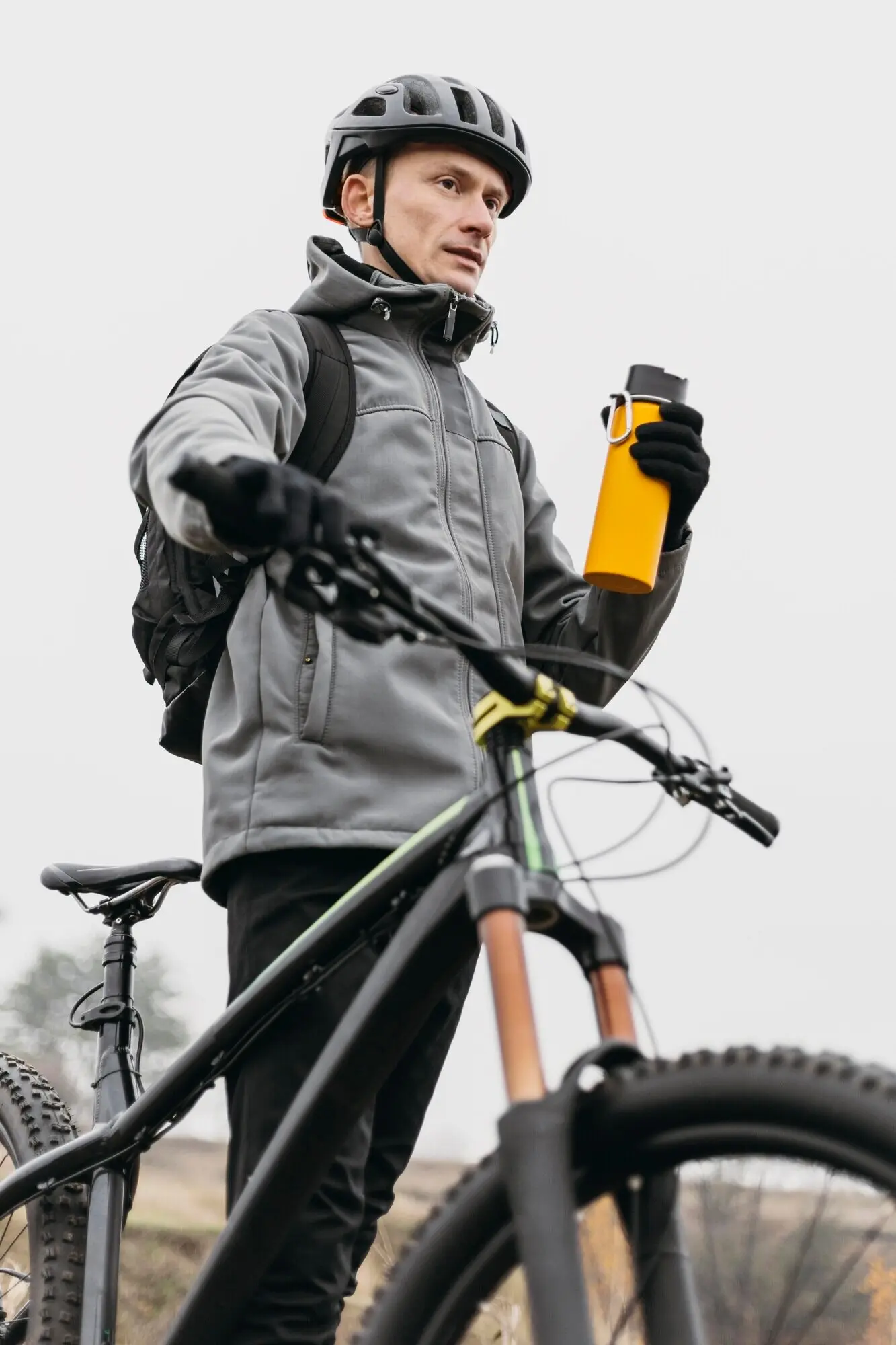
Use day-bright lights on low, a bell for gentle cues, and reflective accents that read clearly without flashing like a distraction. Visibility that respects quiet spaces helps everyone share them safely, from early joggers to owls crossing your lane silently.
Repair Confidence at the Fringe
Pack a compact pump, plugs for tubeless punctures, a link for chain mishaps, and a slim multitool. In edge zones, shops can be distant, but quick fixes keep your rhythm, protect fragile habitat, and avoid long, stressful walks on sensitive shoulders.